I
Where books begin
Three doors into the studio. Write one sentence yourself. Let the trend scout bring you a subject the world is already moving toward. Or let another machine commission the whole thing while you sleep.



Local AI book studio
Tomevell plans, researches, writes, fact-checks, edits and binds complete books — fiction and nonfiction — using local AI models. Run it on autopilot, or take the chair yourself and steer every chapter. Nothing leaves your desk unless you say so.
Three doors into the studio. Write one sentence yourself. Let the trend scout bring you a subject the world is already moving toward. Or let another machine commission the whole thing while you sleep.
The one rule everything follows
Tomevell decides what work must be done.
The model router decides which model does each piece.
Some books should not be automatic. Sit down at the desk: describe the book in a paragraph — or bring the manuscript you already started, in whatever file it lives in — and shape the outline with your own hands. Chapters are written one at a time, in any order, under your direction: keep a paragraph, redo a scene, change the voice, and every version you ever touched stays on file. Hand the wheel to the house whenever you tire of it, and take it back whenever you please.
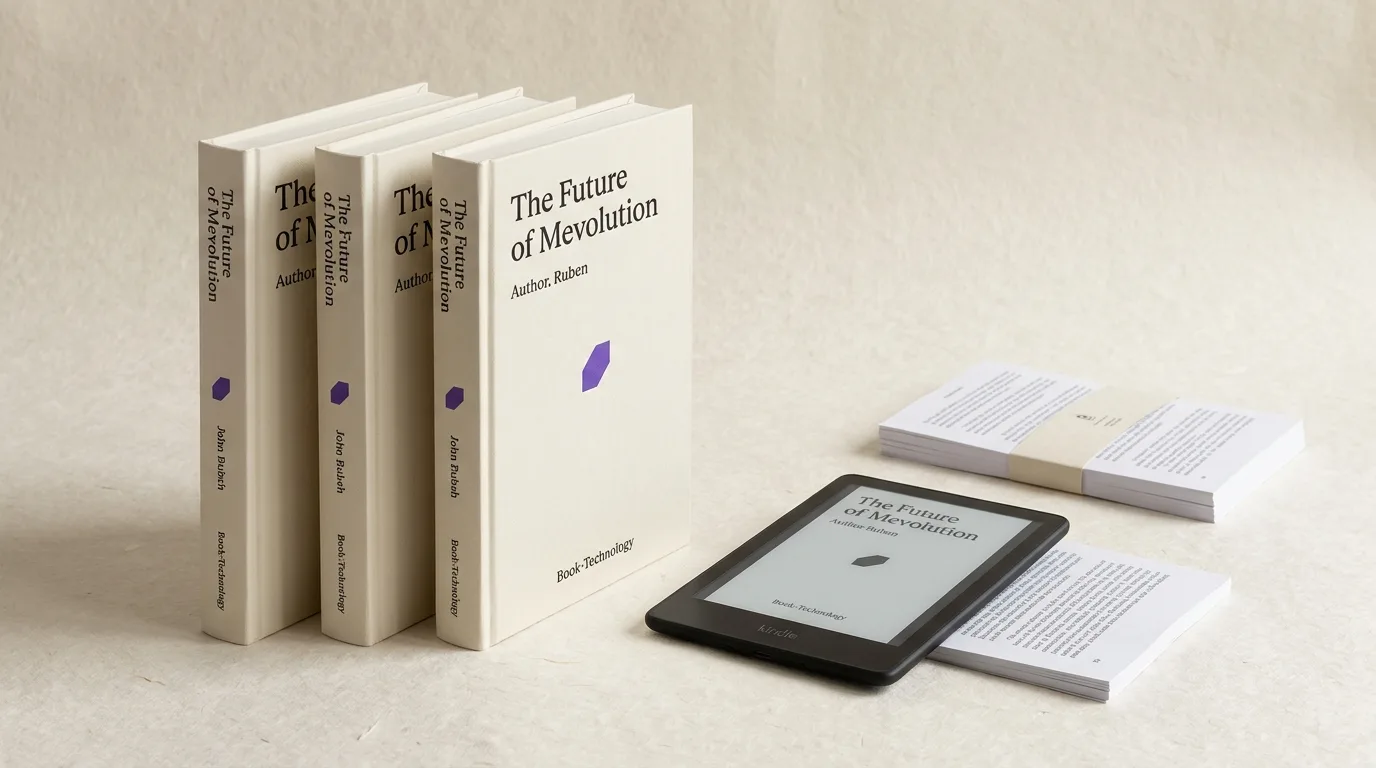
A book is not one long prompt. It is a hundred small, checkable jobs: a thesis, an outline, research questions, evidence sorted to sections, drafts, transitions, critiques, rewrites, a binding pass. Tomevell runs them as a durable pipeline — every step recorded, every step resumable.
Thirty seconds, the whole journey:

Long books fail in quiet ways: characters knowing things they haven't learned yet, state that resets between chapters, claims that sound right but aren't sourced. Tomevell treats all of them as engineering problems, not hopes — and its repair engine can take an already-finished book back through the same discipline, chapter by chapter.

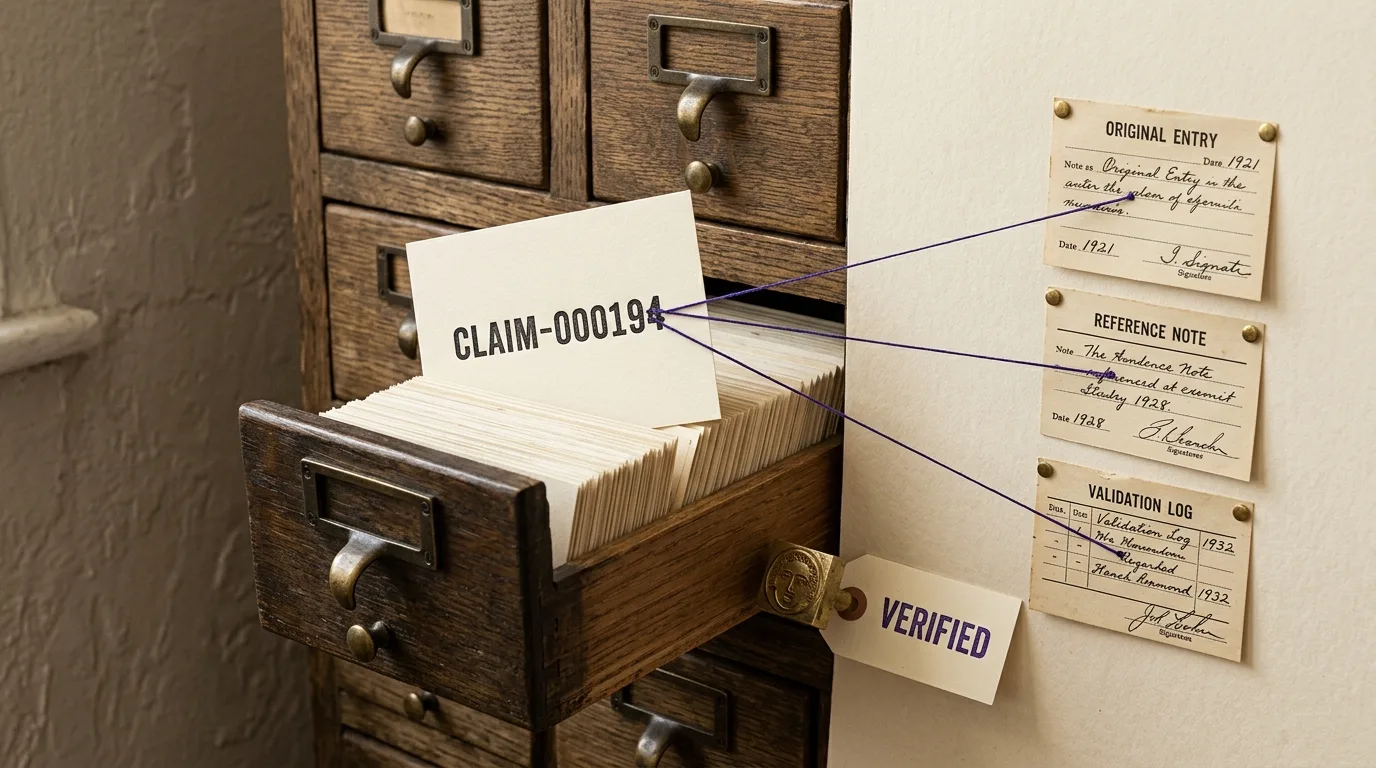
Who is alive, what broke, what cannot un-happen — folded forward into every next scene. Contradictions are flagged by code, not hoped away.
Every finished book is read whole by independent critics and scored on the shelf. Below the bar, the weakest chapters go back to the desk.
Every draft, rewrite and edit is a kept revision. The whole book has a history you can walk.
The acceptance test kills the process mid-sentence. The book resumes exactly where it died — and never pays twice.
Which model wrote what, every token, every second, every catch — the full provenance, kept.
No model is hired on reputation. Before a book is written, candidates audition blind — same brief, hidden names — and are scored against each other. The best writer for this book gets the chair. Sometimes the small model wins; in our last audition, it did.


Tomevell runs on your hardware against local models. A book can be produced with the network switched off — and a local-only setting makes that a promise, not a preference: the manuscript never leaves the machine. Cloud models are an option you grant per book, never a dependency.

Behind the writing floor sits a back room of some three dozen small instruments — the kind an author reaches for a hundred times per book. Titles that don't sound like everyone else's. Characters with names that fit their world. Book descriptions built the way readers actually browse, informed by what readers really search for. Blurbs, categories, keywords, author bios, launch emails, ads sized to each platform's rules, quote cards for every feed. And when the manuscript is done, an editor's letter with line-by-line suggestions you accept or reject one at a time — your book, your call.
The end of the line is not a text file. It is a book, in every dress it needs: EPUB, DOCX, and a print interior typeset like a publisher would — trim sizes, running heads, page numbers, ready for the printer. An audiobook, narrated chapter by chapter and prepared so numbers and abbreviations are spoken the way a human would say them. Editions in more than thirty languages, right-to-left included. A complete launch package. And an author page of your own, where readers trade an email for a free chapter — a list you keep, not rent.
Everything a person can do in the studio, a machine can do on their behalf. Your own automations commission a book with a single message, watch its progress, approve its milestones, and collect the finished files. They never need to know how the house does its work — that recipe stays ours.

Not every headline deserves a book. The scout watches world signals and climbs a strict ladder — news, event, trend, structural change — keeping only subjects with years of shelf life. What survives arrives as a worked-out proposal: subject, reader, angles, and a recommendation.
Tomevell is in private development. If you want early access — as an author, a publisher, or someone whose agents should be writing books — say hello.
contact@tomevell.com